
With Tech support for cloud services at the forefront, this paragraph opens a window to an amazing start and intrigue, inviting readers to embark on a storytelling casual formal language style filled with unexpected twists and insights.
In today’s digital landscape, the demand for seamless cloud services has skyrocketed, making efficient and reliable tech support a crucial component for businesses and individuals alike. Let’s delve into the world of tech support for cloud services and explore its significance in ensuring smooth operations and resolving technical challenges swiftly.
Tech Support for Cloud Services
Tech support plays a crucial role in managing cloud services by providing assistance and troubleshooting for users utilizing cloud-based platforms and applications.
Importance of Timely Tech Support
Timely tech support for cloud services is essential to ensure that users can quickly address any issues or concerns that may arise, preventing downtime and minimizing disruptions to their workflow.
Common Technical Issues
- Difficulty in accessing cloud data or applications due to connectivity issues.
- Data security and privacy concerns related to cloud storage and sharing.
- Integration challenges when connecting different cloud services or migrating data between platforms.
- Performance issues such as slow loading times or system crashes impacting user experience.
Benefits of Dedicated Tech Support
- 24/7 assistance for immediate help and guidance whenever users encounter technical difficulties.
- Expertise in troubleshooting cloud-specific issues to resolve problems efficiently.
- Regular updates and maintenance to ensure optimal performance and security of cloud services.
- Customized solutions and recommendations to enhance user experience and maximize the benefits of cloud technology.
Types of Cloud Services
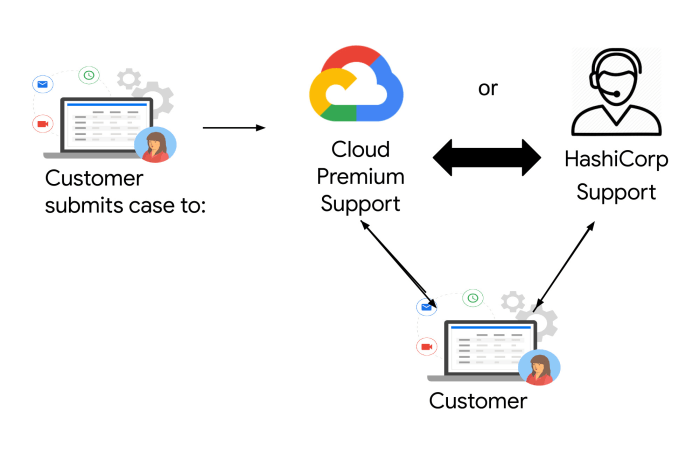
When it comes to cloud services, there are primarily three types: Software as a Service (SaaS), Platform as a Service (PaaS), and Infrastructure as a Service (IaaS).
Software as a Service (SaaS)
SaaS provides software applications through the internet on a subscription basis. Users can access these applications through a web browser without the need for installation or maintenance.
- Common examples of SaaS include Google Workspace, Microsoft 365, and Salesforce.
- Tech support for SaaS focuses on assisting users with application functionality, troubleshooting issues, and ensuring data security within the application.
Platform as a Service (PaaS)
PaaS offers a platform allowing developers to build, test, and deploy applications without needing to manage the underlying infrastructure.
- Popular PaaS providers include AWS Elastic Beanstalk, Microsoft Azure App Service, and Google App Engine.
- Tech support for PaaS involves helping developers with platform configuration, deployment issues, and integration of services within the platform.
Infrastructure as a Service (IaaS)
IaaS provides virtualized computing resources over the internet, including virtual machines, storage, and networking capabilities.
- Leading IaaS providers are Amazon Web Services (AWS), Microsoft Azure, and Google Cloud Platform.
- Tech support for IaaS focuses on assisting users with infrastructure set up, network configurations, security measures, and scalability of resources.
Public vs. Private Cloud Services
Public cloud services are shared resources provided by third-party vendors accessible over the internet, while private cloud services are dedicated resources managed by the organization internally or by a single vendor.
- Public cloud tech support typically involves addressing issues related to multi-tenancy, data privacy, and compliance with industry regulations.
- Private cloud tech support focuses on maintaining the security and performance of the dedicated resources, ensuring seamless integration with existing systems, and providing personalized support to the organization.
Best Practices for Tech Support

When it comes to providing tech support for cloud services, there are certain best practices that can help ensure efficient and effective assistance for users.
Importance of Proactive Monitoring and Maintenance
Proactive monitoring and maintenance play a crucial role in tech support for cloud services. By actively monitoring the performance and health of cloud systems, potential issues can be identified and addressed before they escalate into major problems.
Proactive monitoring helps prevent downtime and ensures smooth operation of cloud services.
Tips for Troubleshooting Common Issues
- Regularly update software and applications to the latest versions to avoid compatibility issues.
- Implement strong security measures to protect data and prevent unauthorized access.
- Provide training and resources for users to troubleshoot minor issues on their own before escalating to tech support.
- Document and track all support requests to identify recurring problems and implement long-term solutions.
Training and Skill Requirements
In the fast-paced world of cloud services, tech support professionals need to possess a unique set of skills and undergo continuous training to stay relevant in their roles.
Skills Needed for Tech Support Professionals in Cloud Services
- Strong understanding of cloud computing concepts and technologies.
- Excellent problem-solving and analytical skills to troubleshoot issues effectively.
- Good communication skills to interact with customers and team members.
- Ability to work well under pressure and prioritize tasks efficiently.
Certifications for Tech Support Roles in Cloud Services
- Amazon Web Services (AWS) Certified Cloud Practitioner
- Microsoft Certified: Azure Fundamentals
- Google Cloud Certified – Associate Cloud Engineer
Importance of Continuous Learning and Skill Development
Continuous learning is crucial in the tech support field to keep up with the ever-evolving cloud technologies. Tech support professionals need to stay updated on the latest trends, tools, and best practices to provide top-notch support to customers. By investing in continuous training and skill development, professionals can enhance their expertise and advance their careers in the dynamic world of cloud services.
In conclusion, tech support for cloud services plays a pivotal role in guaranteeing uninterrupted access to cloud resources and resolving technical issues promptly. By adopting best practices, staying updated on certifications, and emphasizing continuous skill development, businesses can optimize their cloud service experience and maximize operational efficiency. Embracing dedicated tech support ensures a robust foundation for leveraging the full potential of cloud services in today’s fast-paced digital environment.
FAQ Overview
What role does tech support play in managing cloud services?
Tech support is essential for troubleshooting technical issues, ensuring smooth operations, and providing timely assistance to users of cloud services.
Why is proactive monitoring important for tech support in cloud services?
Proactive monitoring helps identify and address potential issues before they escalate, ensuring optimal performance and minimizing downtime for cloud service users.
What certifications are valuable for tech support roles in cloud services?
Certifications like AWS Certified Solutions Architect, Microsoft Certified: Azure Administrator, and Google Cloud Certified – Professional Cloud Architect are highly valuable for tech support professionals in cloud services.
How can businesses optimize their cloud service experience with dedicated tech support?
By investing in dedicated tech support, businesses can ensure rapid issue resolution, proactive maintenance, and continuous improvement in their cloud service operations, leading to enhanced efficiency and reliability.


